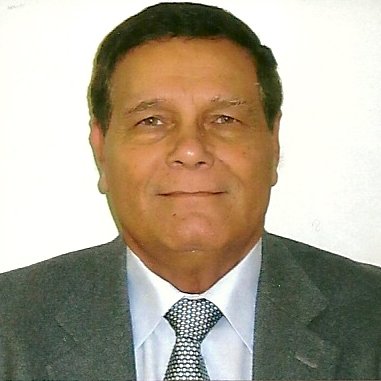
Dr. Ricardo Labrada
ex FAO Agricultural Technical Officer
Spain
ricardolabrada@hotmail.com
0034 691054490
Editor-in-Chief: Dr. Ricardo Labrada
Dr. Ricardo Labrada obtained his M.Sc. on agrochemistry & soil (1969) from The National Agricultural University, Kiev, Ukraine, and Ph.D. on agronomy and weed management (1978) from Moscow Timiryazev Agricultural Academy. He has held variou....
Read moreEditorial Board
Editors

Dr. Roger Williams
The Ohio State University
USA
Biography
Dr. Williams received the BS and MS degrees in Forest Biology and Forestry, respectively, from The Ohio State University and the PhD in Forest Resource Management from the University of Maine. He served on the Forestry Faculty at Louisiana Tech University prior to his current position with the Forestry Faculty in the School of Environment and Natural Resources at The Ohio State University. Dr. Williams served as Director on a project, funded by the U.S. State Department, to redevelop the forestry sector in southwest Siberia. He was awarded the Golden Silk Ball Award from the Chinese government for his contributions to the economic development in Guangxi. He served as Chairman of technical sessions in the Conference on Biodiversity and Ecosystems and the International Conference of Emerging Industries held in China. His most recent work focuses on the use of fire in forest management, and the ecology and biodiversity of forests in south China.
Research Interest
1. Wildland fire and fire behavior
2. Forest Management
3. Biodiversity
4. Forest carbon management
5. Forest Ecology
6. Silviculture Ecology
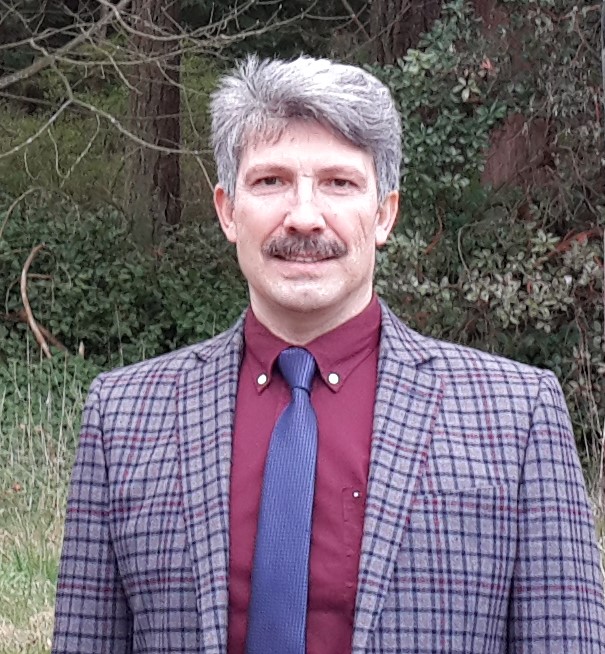
Dr. Naim Saglam
Firat University
Turkey
Biography
Dr. Naim Saglam holds MA and PhD degrees from the Deptartment of Aquaculture and Fish Diseases at Firat University, Turkey.
Research Interest
1. Biology, ecology, functional morphology, lifecycle and development of fish parasites and aquatic animals. The effects of toxicants and pharmaceuticals on fishes.
2. Biology, genomic, molecular identification, DNA analyses, ecology, phylogeny, functional morphology, parasitism, medical function, rearing, lifecycle and development of the leeches.
3. Aquaculture and fisheries science involvement includes both applied and basic areas.
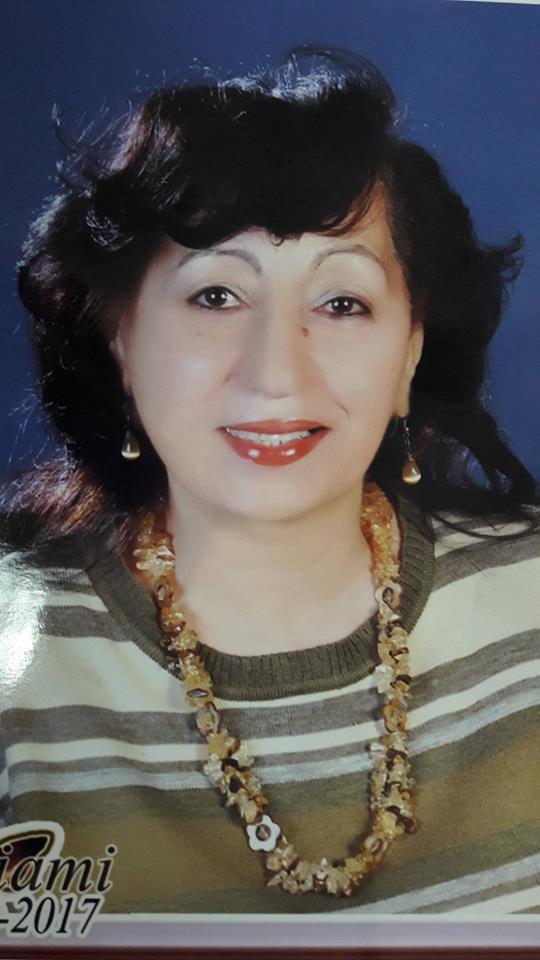
Dr. Faten Momen
National Research Centre
Egypt
Biography
Dr. Faten Momen
B.Sc. (1974) : Faculty of Agricultural, Cairo University in Plant Protection (Insect major) M. Sc. (1978): Faculty of Agricultural, Menoufia University, Egypt, in Plant Protection (Zoology) PH. D (1986): Department of Zoology and Genetics, University College Dublin (Zoology)
Research Interest
Entomology, Acarologia, Pest control, Acaricides
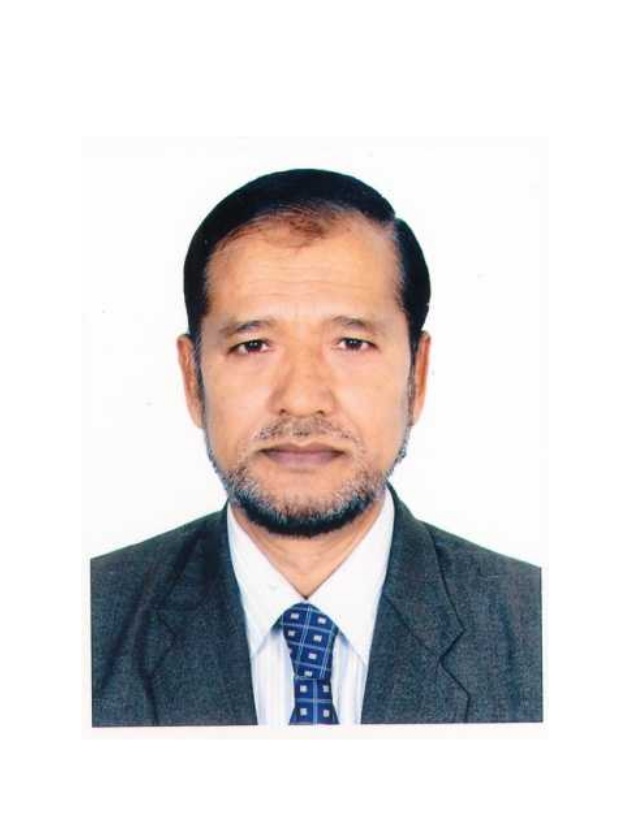
Dr. Md. Jafar Ullah
Sher-e-Bangla Agricultural University
Bangladesh
Biography
Dr. Md. Jafar Ullah
M.Sc. in Agronomy degree from the University of Nottingham, U.K. and
Ph.D. degree from Jahangirnagar University, Bangladesh. rganic agriculture, biodynamics and stress agronomy.
He started his career joining as a Scientific Officer at the Agronomy Division of Bangladesh Agricultural Research Institute. In 1985 he joined as a Lecturer at Sher-e-Bangla Agricultural University, Dhaka, Bangladesh and then in 1993 as an Assistant Professor at Patuakhali Science and Technology University. He then joined as an Assistant Professor at the Sher-e-Bangla Agricultural University in 1994 and later was promoted to the post of Associate Professor.
Since 2007 he has been working as a Professor at the same University continuing his job till to date. He teaches BS, MS and Ph.D. students in Agronomy and conducts thesis works of the MS and Ph. D. students in Agronomy. Professor Ullah has been working as the Chief Editor of the ‘Journal of Experimental Biosciences’ since 2010. He has also carried out a number of projects devoted to generating production technologies of different field crops. He also worked disseminating production technologies on farmer’s level in the rural areas of Bangladesh. His notable works are ‘Incorporation of the high yielding rice varieties for increasing yield productivity in the southern coastal areas of Bangladesh’ and ‘Introduction of white maize for human consumption in Bangladesh’.
He has published more than fifty scientific articles in both national and international journals. He is also the author of a number of Bengali books used for academic purposes.
Dr. Ullah has also experiences in running a non-government organization devoted in research and development activities.
Till now Prof. Ullah has supervised research works of over fifty students in MS and Ph. D levels in the field of Agronomy. His research works cover plant nutrition, planting geometry, irrigation, cropping system, farm management, seed production and field crop production technology. He has also interests in organic agriculture, biodynamics, stress agronomy.
Research Interest
Agronomy, Farm management, Crop physiology, Seed science, Irrigation management, Field crop production technology, Organic agriculture, Biodynamics, Stress agronomy.
Dr. Salem Hayar
College des Freres Tripoli Lebanon
Lebanon
Biography
Dr. Salem Hayar has experience in teaching and giving seminars on the following subjects: Consumer Protection and Market Surveillance, Food Safety and Quality, Traceability, Food Chain Surveillance, Risk Assessment, HACCP, Nutrition, Toxicology and Ecotoxicology, Health and Environmental Sciences, Pesticide Sciences, Mycotoxins, Fate and behavior of pollutants in the environment, Soil and Agricultural Sciences, Sustainable Agriculture Development, Natural Resources, Organic Farming, Nematology, Analytical Chemistry, Analysis of pesticide residues in foods, in soils and waters, Composting, Compost and soil analysis (e. g. Heavy metals, Microbiological and Phytotoxicity tests), Good Laboratory Practices (GLP), Implementation of ISO 17025, Quality Control and Quality Insurance in Pesticide Residue Analytical Laboratories, Audit, Method Validation, Statistics applied to analytical chemistry, Uncertainty calculation, Proficiency test, Fertilizer QualityControl. He has more than 15 years of experience and in providing training in analytical chemistry, Food analysis contaminants (heavy metals and mycotoxins), analysis of pesticide residues and sampling planning for pesticide residue analysis, elaboration of technical guidance documents and SOP’s for Accreditation for Sampling, Accreditation in scope for Quality Control pesticides formulations and Residues in fruits and vegetables, preparation of Quality Manual, large experience in National Reference Laboratory and in particular on contaminants in food, excellent knowledge of LC/MS/MS, GC/MS/MS, GC and HPLC instruments, methods validation as well as determination of uncertainty, Quality Assurance and Quality Control and Proficiency Tests according to SANCO guideline.
Research Interest
Consumer Protection and Market Surveillance, Food Safety and Quality, Traceability, Food Chain Surveillance, Risk Assessment, HACCP, Nutrition, Toxicology and Ecotoxicology, Health and Environmental Sciences, Pesticide Sciences, Mycotoxins, Fate and behavior of pollutants in the environment, Soil and Agricultural Sciences, Sustainable Agriculture Development, Natural Resources, Organic Farming, Nematology, Analytical Chemistry, Analysis of pesticide residues in foods, in soils and waters, Composting, Compost and soil analysis (e. g. Heavy metals, Microbiological and Phytotoxicity tests), Good Laboratory Practices (GLP), Implementation of ISO 17025, Quality Control and Quality Insurance in Pesticide Residue Analytical Laboratories, Audit, Method Validation, Statistics applied to analytical chemistry, Uncertainty calculation, Proficiency test, Fertilizer Quality Control.

Dr. Mariana Niculescu
University of Craiova
Romania
Biography
Dr. Niculescu is currently an Associate Professor and Vice-Dean Faculty of Agronomy and the University of Craiova, Romania.
Research Interest
Environment Science, Forestry, Agriculture, Biology, Biodiversity
Dr. Mohammad Aslam Ansari
G B Pant University of Ag & Tech, Pantnagar
India
Biography
Dr. Mohammad Aslam Ansari is currently a faculty of the Department of Agricultural Communication, College of Agriculture, G B Pant Univ. of Ag. & Tech. Pantnagar 263145 (Uttaranchal). His professional experience includes 25 years of experience working in different capacities in various sectors such as Corporate (MICA), Government (ATI, Nainital), NGO (PPRC, Lucknow) and Academic sectors (Lucknow University; AAI-DU, Allahabad and G. B. Pant University, Pantnagar).
Research Interest
ICT applications in Agriculture and Rural Development, Cyber-Extension, Climate change and its impact on agriculture, Agricultural Journalism & Mass Communication
Associate Editors

Dr. Vicentiu Horincar
Ministry of Agriculture of Romania
Romania
Biography
Dr. Vicentiu completed his PhD in marine algae studies where he found that in the Black Sea Romanian Shore there are algae species that can be an alternative for classic bioactive compound sources. He completed his postdoctoral research studying the submerse culture of some mushrooms species. His area of interests are applied biotechnology, microbiology and their linked applications in agriculture and life sciences. His current position is counselor for the Ministry of Agriculture.
Research Interest
Application of biotechnology to agricultural applications for innovative products and for better agricultural performances.

Farshid Talat
Chinese Academy of Agricultural Sciences
Iran
Biography
Dr. Farshid Talat is Assistant Professor of Crop genetics and Breeding at Agricultural Research, Education and Extension Organization of Iran. Dr.Talat is deputy director general at West Azerbaijan Agricultural Research Center. He is doing research in the field of crop genetics and biotechnology for 17 years and has been teaching Genetics and Biostatistics in several universities since 1999. He has conducted extensive studies on crop breeding and plant architecture systems in Iran. Dr. Talat served as a coordinator of 40 national projects. He received his B.Sc. degree in Agronomy and Plant Breeding from Urmia University in 1997 and his M.Sc. in Plant Breeding-Biotechnology from University of Tehran in 1999. Dr.Talat received his PhD from Chinese Academy of Agricultural Sciences in Genomics on wild cotton sequencing program. He is the author of 70 national and international published papers.
Research Interest
Statistical data analysis
Genomics
Genetics
Plant breeding
Bioinformatics
Biodata analysis

Farag Mohamed
Agricultural Research Center
Egypt
Biography
PhD from Plant Pathology Research Institute, Agricultural Research Center. Counts with numerous publications on www.pulsusconference.com and www.alliedacademies.org.
Research Interest
Plant Genomics and Pathogenicity, Plant Science, Botany

Priya Ayyar
University of Edinburgh
United Kingdom
Biography
Completed my PhD at the University of Edinburgh in the UK. Gained PhD award in June-2016 in molecular plant sciences under biological science department in the school of science and engineering.
The PhD topic was to uncover the possible role of S-nitrosylation in Jasmonic acid signalling during plant immune response. Arabidopsis thaliana was used as a model plant for my studies and S-nitrosoglutathione reductase atgsnor1-3 mutant was shown to compromise in its immunity against pathogen infections. It was also shown that JAZ repressor of JA pathway was S-nitrosylated invitro. The work has suggested that S-nitrosylation compromises plant immunity by suppressing the JA signalling pathway. During the PhD course, has acquired knowledge of sophisticated technologies involved in the biotechnology field. These techniques are used for improving the qualities and quantities of certain biotech products.
Took training in plant tissue culture and entrepreneurship development program from Mitcon consultancy, Pune. Before PhD worked for a short period at Bharati Vidyapeeth in environmental science department as a program officer for a project for creating awareness for biotechnology through DNA club and later for six months took training in Bioinformatics and studied the proteins involved in Alzheimer disease.
Due to educational background, became very passionate about the biotech field and got acquainted with its different aspects. Wrote one review paper in Encyclopedia of applied plant sciences and one research article in IJCRT. Worked for Indian political party.
After PhD worked in National Institute of Virology in Hepatitis department on the project, “to investigate the role of papain-like cysteine protease in replication of hepatitis virus E”. Currently, she is a postdoctoral researcher and investigation the role of redox regulation in Solanum lycopersicum during plant immunity at Savitribai Phule Pune University, India.
Research Interest
Biotech field.

Jacqueline Nascimento-Odenheimer
Federal University of Goias
USA
Biography
Graduated in Agronomy with emphasis in Sustainable Agriculture at the Federal University of Goias (2008). M.Sc. in Plant Production - Agronomy, with emphasis in Entomology and Molecular Biology at the Federal University of Goias (2011). PhD in Plant Health with emphasis in Entomology and Molecular Biology at the Federal University of Goias and University of Nebraska, working with research in the area of ?resistance of plants to insects.
Research Interest
Projects: Construction of Mandala for cultivation of plant in organic system - Extension Project. “Improves Rice”: Genetic breeding of rice for cultivation in Cerrado. Agroecological development in the vicinity of Goiânia: new challenges Integrated diagnosis and recommendation for culture in Citrus Cerrado of Goiás Assimilative capacity studies and toxic waste cargo organic by reservoir.
Publications: Evaluation of rice genotypes for sugarcane borer resistance using phenotypic methods and molecular markers. Analysis of compacting of the soil in areas under sustainable management in the vicinity of Goiânia, GO. Contribution green manure and system management to the structure of a soil under cultivation of Common Bean and Corn. Determination of biomass and soil microbial activity under common bean organic farming in tillage and conventional tillage system after cultivation of different species of green manures. Factors affecting the release and parasitoids efficiency in the biological control of insect pests. Responses of Rice Mini-Core Collection Accessions to Damage by Diatraea saccharalis (Fabricius) Stem Borer. Sustainability indicators for different crops grown in organic system in the vicinity of Goiânia, GO. Sustainability indicators for different crops grown on land reform settlement in the municipality of Guapo, GO. The role of antioxidant enzymes in plant defense against insect herbivores and pathogens.
Prof. Medani P. Bhandari
Akamai University
USA
Biography
Professor Medani P. Bhandari has been serving as a Professor of inter - disciplinary Department of Natural Resource & Environment / Sustainability Studies, at the Akamai University, USA and a visiting Professor at the Sumy State University (SSU), Ukraine. He holds M.A. Anthropology (Tribhuwan University, Nepal), M.Sc. Environmental System Monitoring and Analysis (ITC - The University of Twente, the Netherlands), M.A. Sustainable International Development (Brandeis University, Massachusetts, USA), M.A. and Ph.D. in Sociology (Syracuse University, NY, USA). Prof. Bhandari has spent most of his career focusing on the sociological theories; Environmental Health Hazard ; environmental management; social innovation; developing along the way expertise in global and international environmental politics, environmental institutions and natural resources governance; climate change policy and implementation, environmental justice, sustainable development; theory of natural resources governance; impact evaluation of rural livelihood; international organizations; public/ social policy; the non - profit sector; low carbon mechanism; good governance; climate adaptation; REDD plus; carbon financing; green economy and renewable energy; nature, culture and power.
Research Interest
Prof. Bhandari’s major teaching and research specialties include: Sociological theories and Practices; Environmental Health; Social and Environmental research methods; Social and Environmental innovation; Social and Environmental policies; Climate Change Mitigation and Adaptation; International environmental governance; Green Economy; Sustainability and assessment of the economic, social and environmental impacts on society and nature. In brief, Prof. Bhandari hassound theoretical and practical knowledge in social science and environment science. His field experience spans across Asia, Africa, the North America, Western Europe, Australia, Japan and the Middle East. Professor Bhandari has published 4 books, and about 50 scholarly papers in international scientific journals.
Dr. Alexandre-Brice Cazenave
Université de Bourgogne
USA
Biography
Alexandre-Brice Cazenave.
Earned a Ph.D in Plant Ecophysiology from the University of Burgundy, Dijon France and the French National Institute for Agricultural Research working on effects of biotic and abiotic stresses on the adaptive responses of the symbiotic nitrogen fixation of légumes such as pea.
Main interest is the plants-environment interactions in order to find ideotypes, genotypes which will grow better in stressful conditions.
First postdoctoral fellowship for Syngenta Crop Protection in Switzerland working on the effect of a fungicide on wheat under drought stress using High Throughput Phenotyping systems.
Second and actual postdoctoral fellowship is with the Noble Research Institute in Oklahoma, USA. Working on identifying the mechanisms of the phosphorus acquisition and use efficiency in alfalfa using unmanned aerial vehicles, phenomobiles, genome wide association studies as well as RNA-Sequencing.
Research Interest
Plants-environment interactions in order to find ideotypes, genotypes which will grow better in stressful conditions

Dr. Cagdas Civelek
Cukurova University
Turkey
Biography
Cagdas completed his PhD research on "Choosing Optimum Machinery Size And Tractor Power For Agricultural Farms" at Cukurova University with the Faculty of Agriculture, Agricultural Machinery and Technologies Engineering Department. He completed his MSc research on "Determination Of Vibrations Transmitted To The Handles By Some Single Axle Tractors" at Ege University with the Faculty of Agriculture, Agricultural Machinery and Technologies Engineering Department. His BSc was obtained from Ege University, Faculty of Agriculture, Agricultural Machinery and Technologies Engineering Department.
Research Interest
Agricultural Tractors, Ergonomics, Internet of Things in Agriculture, Connected Agriculture, Wireless Communication Systems in Agriculture, Information Systems in Agriculture, Web Based Systems in Agriculture
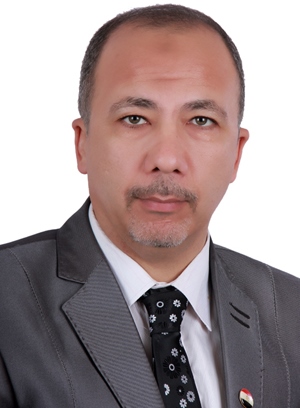
Dr. Waleed Abobatta
Agriculture Research Center
Egypt
Biography
Abobatta is a doctor at the Citrus Research Department, Horticulture Research Institute, Agriculture Research Center. He is a member of Scientific Committee for Greenhouses Plantation (Agriculture Research Center), and a Scientific Team for National Campaign for Navel Orange improvement (Horticulture Research Institute). Abobatta is a supervisor of M.Sc. thesis in different branches of agricultural science.
Abobatta has published more than 18 books and research papers. Abobatta has been serving as an editorial board member in many journals like Acta Science Agriculture, Agriculture, Forestry and Fisheries, and Science Publishing Group International Journal of Research in Clinical Medicine and Pharmacy Practice. Also, Abobatta is a member of the Reviewer Committee of International Academy of Chemical, Civil & Environment Engineering (IACCEE), and many other journals around the world. In addition he is a member of Board of Environment Friends Society (H R I), and member of Scientific Society of Flowers and Ornamental Plants.
Dr. Abobatta has been identified as an influential speaker for seminars, symposiums, workshops, trainings and classes. He is a consultant of nano-application in the agricultural sector and magnetizing-treated water in agriculture in the Arabian region. He is one of the Jojoba experts in MENA region and also is a consultant of biodynamic agriculture in the Arabian region.
Dr. Abobatta has been a coordinator for various international conferences and workshops, as well as the judge of Intel ISEF competition since 2014. He is also the Judge of Egyptian Inventors Syndicate.
Research Interest
Integrated Horticulture crops management, Nano application in the agricultural sector, plant physiology, application of hydrogel polymer in agriculture, Greenhouses Plantation, Jojoba production, and the soilless culture of vegetables.
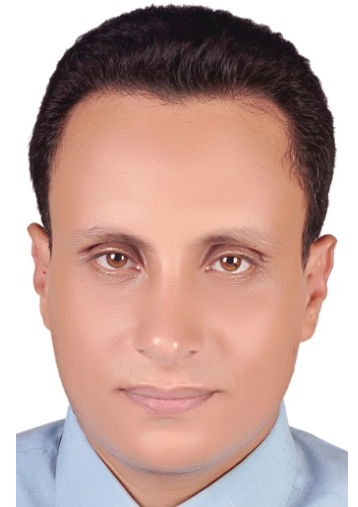
Dr. Mohamed Elhagarey
Ain Shams University
Egypt
Biography
Dr. M. El-Hagarey completed his PhD in irrigation and drainage in 2010. He works as a researcher (PhD) at the Desert Research Center, Soil Conservation and Water Resources department, Irrigation and Drainage Unit. He is the winner of “ICID WatSave Awards 2016”under ‘WatSave Young Professional Award.’
Also, he is the winner of TWAS-ARO Young Arab Scientist (YAS) Prize 2016 with the topic “The Implementation of Food Security Research for the Arab Region Sustainability.”
He has work edas vice president of Halayb and the Shalateen research station and as the president of Al-Kantra Shark research station.
He has recorded some patents in hydraulics devices, especially in fluid mechanics and irrigation sciences. Dr. El-Hagarey contributed to many international and national scientific projects, has completed many of international publications, and works in Africa, Asia and Europe in the scientific research fields. He is a member of international and national societies. Dr. El-Hagarey is a consultant for many companies and committees.
Currently, Dr. El-Hagarey is an Associate Professor, now seeking to move into research and development projects.
Research Interest
Irrigation and drainage design, management, scheduling, innovation, statistical analysis, feasibility, ICDL.
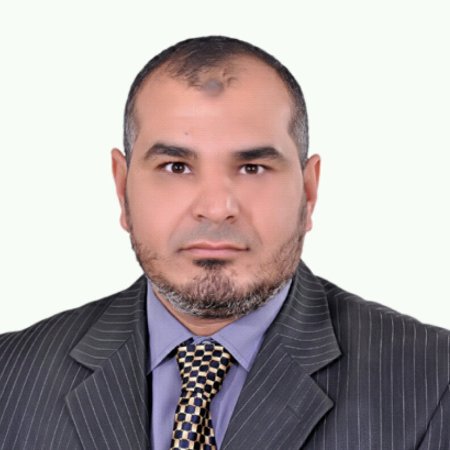
Dr Ashraf Elmoghazy
Kafr El-Sheikh University
Egypt
Biography
Dr Ashraf Elmoghazy is a plant breeder. His main objective is to fight human hunger and poverty through breed high yielding new varieties of food crops tolerant to biotic and abiotic stresses.
Research Interest
Plant breeding and biotechnology
Dr. Ahmed Abd El-Aziz Zakaria El-Said Kheder
Agricultural Research Center(ARC)
Egypt
Biography
Ahmed Abd El- Aziz Zakaria El-Said Kheder PhD,
Researcher in the Molecular Biology and Biotechnology Unit, Virus and Phytoplasma department, ARC Egypt.
Pathology Research Institute
Career History:
Visiting-follow, Laboratory of Plant Pathology, Plant Science Department. Nottingham University. United Kingdom.
Visiting follow, Laboratory of Plant Pathology, Plant Science Department. Nottingham University. United Kingdom.
Researcher in the Molecular Biology and Biotechnology Unit, Virus and
Phytoplasma department, ARC Egypt.
Researcher in Plant Pathology Lab. The United Graduate School of Agriculture Sciences of Tottori University – Japan.(Post-doc)
Research Assistant in Plant Pathology Lab. The United Graduate School of Agriculture Sciences of Tottori University – Japan.
Assistant research in the Molecular Biology and Biotechnology Unit, Virus and Phytoplasma department, ARC. Egypt.
Ph.D. Tottori University (UGSAS), Division of Plant Pathology, Japan
· Ph.D. Plant Pathology, Molecular Biology and Biotechnology, 2012
· Ph.D. Title: Molecular mechanisms of pathogenicity of the tomato
pathotype of Alternaria alternata
M.Sc. Cairo University - Division of Plant Pathology, Cairo – Egypt
· M.Sc. Plant Pathology - Virology, 2006
· M.Sc. Title: Studies on Peach rosette Mosaic Virus (PRMV) in Egypt.
B.Sc. Cairo University - Division of Plant Pathology, Cairo – Egypt
· B. Sc. Plant Pathology, 1999
Ahmed has good experience in basic molecular biology and biotechnology techniques in the field of plant virus, phytoplasma and fungal diseases such as isolation of total nucleic acid (DNA & RNA), identification and diagnosis of viruses using PCR, RT-PCR, qPCR, LAMP and RT-LAMP techniques, nucleic acid hybridization, western blotting, southern blotting, molecular cloning, gene expression, HPLC, serological methods such as, direct & Indirect ELISA, Transformation, gene knockout, gene overexpression, and Western blotting.
Research Interest
Plant virus, Phytoplasma and fungal diseases such as, isolation of total nucleic acid (DNA & RNA), identification, and diagnosis of viruses using PCR, RT-PCR, qPCR, LAMP and RT-LAMP techniques, nucleic acid hybridization, western blotting, southern blotting, molecular cloning, Gene Expression, HPLC, Serological methods such as, direct & Indirect ELISA, Transformation, gene knockout, gene overexpression, Western blotting
Dr. Shamel Alam-Eldein
University of Guelph
Egypt
Biography
Dr. Shamel Alam-Eldein
Assistant professor, Department of Horticulture, Faculty of Agriculture, Tanta University, Tanta, Egypt. Consultant, Canadian Center for Green Development, Ottawa, Canada. Consultant, Canadian Center for Green Development, Ottawa, Canada. Research Assistant, Citrus Research and Education Center, University of Florida, USA.
Research Interest
Plant physiology in general, postharvest physiology, and stress physiology
Dr. Swapan Kumar Roy
Chungbuk National University, Cheongju-si, Korea
Korea
Biography
Academic Qualifications
2017 PhD in Agriculture (Major in Crop Science), Chungbuk National University, Cheongju-si, Korea (Republic of). Thesis Title: Proteome analysis in response to heavy metal stress in Sorghum
2007 MS in Biotechnology, Bangladesh Agricultural University, Mymensingh, Bangladesh Thesis Title: Callus induction and plantlet regeneration in black gram (Vigna mungo L. Hepper)
2003 B.Sc. in Agriculture, Patuakhali Science and Technology University, Dumki, Bangladesh.
Professional Highlights and Hands-on Experience
Working as Post-Doctoral Fellow on Biogreen project organized by Rural Development Administration, Korea. Published more than 25 research articles. Expertise on spectrophotometer, gel electropghoresis, inductively coupled plasma (ICP), confocal microscopy analysis, TEM analysis. Protein expression analysis by gel based (2-DE) and label free techniques. Gene expression by RT-PCR. Expertise on handling protein database and bioinformatics.
Research Interest
Sub-cellular proteomics in response to heavy metal stress, Organic acid mediated phytoremediation using omics techniques, Understanding molecular mechanism in uptaking plant nutrients, Effects of heavy metals on the nutrient uptake and ionic homeostasis in plants, Protein profiling in leaves and roots of Sorghum bicolorunder heavy metal stress. Identification of proteins involved in various signaling pathways, detoxification, metabolism, photosynthesis etc.
Dr. Mohammad Russel
Dalian University of Technology
China
Biography
Dr. M. Russel received his Ph.D. in Environmental Science and Engineering from the China University of Geoscience, Wuhan, P R China and received research training as a visiting scholar at the State Key Laboratory of Freshwater Ecology and Biotechnology, Institute of Hydrobiology, Chinese Academy of Sciences, Wuhan, P R China. He had couple of research fellowship experiences during Masters and PhD study periods. Like M. Phil exchange fellowship at the department of chemistry, Hong Kong Baptist University, Doctoral joint research fellowship at Department of Environmental science and engineering, Waikato University and Food and Bio-based Group, Agresearch Ltd. Hamilton, Newzeland. He had worked with DESA, Sustainable development group in United Nation, New York Head Quarter for sound chemical waste management. Currently he is working as a Assistant Professor at School of Food and Environment, Dalian University of Technology, P R China. He has outstanding records of scientific and academic accomplishments with multiple research funding, numerous publications in highly prestigious journals and various presentations in both national and international conferences. He served as a scientific reviewer, consultant and associates for ADB,WB and IFC funding projects national and internationally.
Research Interest
Green Environmental Monitoring Technology, Microwave measurement techniques, Electrochemical measurement techniques, Thermometric measurement techniques

Dr. Suchit Shrestha
University of Hohenheim
Nepal
Biography
Suchit Prasad Shrestha's area of expertise is Crop and Soil Sciences for better Agronomic Management and Practices, Crop modelling and Remote Sensing/GIS as a decision making tool, Genomics and Phenomics Association Analysis (GWAS) as a pre-breeding tool, Agricultural Research and Development, and Agricultural Business and Industry.
Research Interest
Data management, Statistical analysis, Crop models, GWAS, knowledge in GIS and remote sensing, Operating field and laboratory equipment, Conducting complicated field experiments, Organization structure and social behaviour, Leadership and managerial skills, Multicultural and multi-environmental working experiences.
Dr. Prakash Upadhyay
Tribhuvan University
Nepal
Biography
Dr. Prakash Upadhyay
Tribhuvan University
Pokhara-Lekhnath Metropolitan city, ward no. 12, Shanti Marga, Chapapani, Matepani, District: Kaski, Nepal
ACADEMIC BACKGROUND
2013 Research fellow corresponding to Postdoc Researcher-Urban Anthropology, Department of Culture, Aarhus University, Denmark
2008 PhD. (Anthropology). Tribhuvan University, Kirtipur, Nepal
1994 M.A. (Anthropology). First Division. Tribhuvan University, Kirtipur, Nepal
1998 M.A. (English). Tribhuvan University, Kirtipur, Nepal
1999 M. A. (Political Science). Tribhuvan University, Nepal
2000 M.A. (History). Tribhuvan University, Kirtipur, Nepal
2002 M.A. (Economics). Tribhuvan University, Kirtipur, Nepal
1992 B.A. (Sociology/Anthropology, Pol/Sc). Tribhuvan University, Nepal
1990 10+2 C.B.S.E. (Central Board of Secondary Education), India
1992 Matriculation (Central Board of Secondary Education), India
PROFESSIONAL EXPERIENCES
1997 Associate Professor in Anthropology, Tribhuvan University, Prithvi Narayan Campus Pokhara, Nepal.
2015 Subject Committee Member, Anthropology, Faculty of Humanities and Social Sciences, Tribhuvan University, Kirtipur Kathmandu, Nepal (2015 to till now)
2016 Subject Committee Member, Bachelor in Mountain Tourism Management(BMTM), Tribhuvan University affiliate Community Campus Janapriya Multiple Campus, Pokhara,Nepal. (May 2016 to till now).
2010-2014 Subject Committee Member, Development and Social Engineering (BSE), Faculty of Humanities and Social Sciences, Pokhara University, Dhungepatan, Lekhnath Municipality, Nepal (Feb.2010 to June 2015).
Feb-July, 2013 Research Fellow to Aarhus University, Denmark
Visiting Research Fellow to Pokhara University, Central Campus, Nepal (03/2012-02/2013).
2010 to 2015, Research Committee Member, T.U. affiliate Bhadrakali Public Multiple Campus, Pokhara,Nepal
2004 -07 Principal of Cambridge University, United Kingdom affiliated ‘A’ level Cosmos International College, Pokhara, Nepal with the following responsibilities : a) Academic Management b) Academic Planning and Strategy building c) Supervision and Monitoring of overall college activities d) Conducting Training Activities e) Academic Administration.
2009-011 Coordinator of modular course of Natural Resource Management & Rural Development (NRM & RD) of M.SC Forestry at the Institute of Forestry (IOF), Pokhara, Nepal.
2013 ResearchFellow, CLAIMING THE URBAN SPACE: FORMING AND TRANSFORMING OF THE SQUATTERS OF POKHARA SUB-METROPOLITIAN CITY, NEPAL. Aarhus University, Denmark.
2013-2014Principal Investigator, TRANSFORMING STATUS OF THE STREET VAGRANT KIDS IN POKHARA.Social Inclusion Resource Centre (SIRC), Nepal.
2011-12 Consultant, CBRS (Community Based Rehabilitation Centre), Pokhara, Nepal.
2009-2011Researcher, POVERTY OR PLENTY: AN ANTHROPOLOGICAL STUDY OF CHANGING SOCIO-ECONOMIC STATUS OF THE CHURAUTES (HILL MUSLIMS) OF HUKKA, KIHUNG VDC OF TANAHUN DISTRICT OF GANDAKI ANCHALA Project work completed under the faculty research grant of UGC, Nepal.
2011, Team Leader,SOCIO-ECONOMIC STATUS OF RAG PICKER KIDS OF POKHARA SUB-METROPOLIS. Sponsored by Action For Change (ACN) Nepal.
2011, Researcher, SOCIALAND ECONOMIC STATUS OF RAG PICKER KIDS OF POKHARA SUB-METROPOLIS. Sponsored by Research Division,BHADRAKALI MULTIPLE CAMPUS,Kundahar, Pokhara, Nepal.
2010 Team Leader,PARTICIPATORY PREDICAMENT IN COMMUNITY FORESTRY RESOURCES MANAGEMENT (STUDY OF TWO COMMUNITY FOREST USERS GROUPS IN WESTERN NEPAL.A Research Project sponsored by The Research Division, LA GRANDEE INTERNATIONAL COLLEGE, Pokhara, Nepal.
2010 Principal Investigator, MORIBUND VS. PROGRESS: STUDY OF THE SUKUMBASIS (SQUATTERS) OF POKHARA SUB-METROPOLITAN CITY. Sponsored by COSMOS INTERNATIONAL COLLEGE, Pokhara, Nepal.
2010, Researcher, INSTRUMENTS FOR ADDRESSING GENDER ISSUES IN NEPAL.Supported by Naulo Ghumti, Pokhara, Nepal.
2009, Principal Researcher,KNOWLEDGE, AWARENESS AND IMPLICATIONS OF HUMAN RIGHTS EDUCATION ON HIGHER SECONDARY STUDENTS OF KASKI DISTRICT.Alliance for Social Dialogue (ASD) Kathmandu.
2009 Chairman of the Executive Committee, ‘Action for Change Nepal’ (2009-2012).
2008 Team leader/Principal Researcher,Anthropological Perspectives on User’s Participation in Common Property Resources Management in JayakotCommunity Forest of Kaski district. Research Project funded by Research Committee, P. N. Campus, Pokhara.
2006Principal Investigator, Research on Professional Women’s Performances in Job in Pokhara, Nepal (Sponsor: IEM (‘Institute for empowering Minds, Nepal).
Research Interest
Development issues, Natural Resources management, Common property resources: community forest, irrigation, rangeland, wetland management, pastureland management etc.
Dr. Shah Fahad
Huazhong Agriculture University
China
Biography
Shah Fahad is currently in Huazhong Agriculture University Wuhan China completing his post doctorate studies. His major is Agronomy and environmental physiology. and he is a very individualistic person who has a gift for figuring out how people who are different can work together productively. Also, because he is driven by her talents, he can constantly investigate the “how’s”, and “why’s” of a given situation which would be very beneficial to not only himself, but other people who want to work in the field of Agriculture.
Research Interest
Abiotic stresses, Green house emission gases, Priming, Cereal crops, Climate change, Heat stress
Dr. Amjad Islam
Fujian Agriculture and Forestry University
Pakistan
Biography
Dr. Amjad Islam received his MSc degree from Government College University Lahore, Pakistan. After that, he received his PhD degree from Ningbo Institute of Materials Technology and Engineering (Ningbo), University of Chinese Academy of Sciences, Beijing-China. Currently, he is a postdoctoral research fellow in the group of Prof. Xinhua Ouyang at Fujian Agriculture and Forestry University, Fuzhou-China. Amjad is interested in the synthesis of cellulose and lignin materials (functional materials, emissive materials, interface materials) and fabrication of electronic devices (solar cells, light emitting diodes, perovskite solar cells) by using these organic materials.
Research Interest
Materials Chemistry, Biomass Materials (Cellulose, Lignin...etc) for Electronic Devices applications (OLEDs, OPVs, Perovskite Solar Cells). Cellulose based materials, Lignin based materials.
Dr. Wajid Hasan
Bihar Agricultural University
India
Biography
Dr. Wajid Hasan currently works as Subject Matter Specialist (Entomology) at KVK Jehanabad, Bihar Agricultural University, Sabour, Bhagalpur. He previously worked as a UGC- Dr D.S. Kothari Post Doctoral Fellow on a project entitled "Eco friendly management of mustard aphid, Lipaphis erysimi (Kalt.), a key pest of rapeseed-mustard." During his 10 years of research (3 Years Predoctoral+7 Years Post Doctoral ), he has been deeply involved in entomological research and agricultural extension activities.
Research Interest
Integrated pest management, ecology, biocontrol, organic culture
Dr. Somnath Hazra
Jadavpur University
India
Biography
Dr. Somnath Hazra holds a Ph.D degree in Forest Economics and has more than 12 years of research and project management experience. Over the last seven years he was actively associated with Climate Change Action Plan, Adaptation Studies vulnerability study of 7 Indian States as Forestry Sector Specialist, Forest and biodiversity assessment as Project Manager, Ecotourism Plan as Project Manager in different Indian States and Climate Change mitigation and adaptation activity, AR CDM , REDD + as project Manager in Kenya, Africa.
In 2008, he received a grant from International Development Research Centre (IDRC), Delhi to present a research paper on Climate Change in the World Congress of International Economic Association at Istanbul, Turkey. In 2009, he presented a paper on Forest resources in Rajshahi University, Bangladesh in a special session as an invited presenter. He has presented more than 20 research papers in different countries such as Turkey, Bangladesh, Nepal, Sri Lanka, Belgium, Thailand, Kenya and has 5 edited volume of books related to Environment and Development Economics and visited more than 10 countries for different assignments on Forestry and Climate Change.
Research Interest
Ecological Economics, Ecosystem Services, Climate Change Economics, Agro-Ecology Economics, Agri Economics, Environmental valuation , Environmental Economics
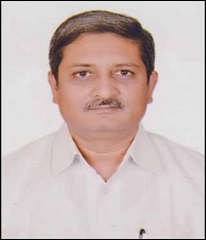
Dr. Agnivesh Uday Roy
North Eastern Regional Institute of Science & Technology
India
Biography
Agnivesh Uday Roy is Bachelor in Civil Engineering from M S Ramaiah Institute of Technology, Bangalore University (1990), India and Masters in Environmental Engineering from Maulana Azad College of Technology (Regional Engineering College), Barkatullah University (1993), Bhopal, India.
He began his career from National Environmental Engineering Research Institute (NEERI –CSIR) in 1994, where he was associated to work on projects related to treatment and disposal of hazardous wastes generating industries. As field engineer and researcher have reviewed and carried out studies related to environmental impact assessment (EIA), formulated environmental management plan (EMP) to mitigate and reduce environment associated physical impact and financial risk for several hydro power projects. Worked for business development of river valley, hydro power projects, renewable energy. Design and execution of water supply, sanitation, infrastructure and socioeconomic strengthening in remote rural areas. Coordinated environmental public hearings, forest land diversion, land acquisition, community outreach, stake holder liaison, dispute resolution, engineering and cadastral survey, administrative / legal dispute settlement, obtained statutory clearances, environment regulatory compliance, air pollution monitoring in tunnel and tunnel ventilation, industrial waste treatment, pollution control and abatement, hazardous waste management, construction safety, environmental safeguards, capacity building of employees on environment / safety / disaster management, risk analysis, disaster risk reduction, disaster management plan formulation, incident command system (ICS) plan for district and project sites.
His PhD research from North Eastern Regional Institute of Science & Technology (2017), Deemed University of Ministry of HRD, Government of India is on environmental impact assessment of hydro power projects in a river basin, water availability, prediction, allocation, environmental modelling and simulations, natural resource quantification, river water, soil and air quality monitoring in study area, river restoration, environmental flow and carrying capacity. His work stresses on climate change resilient growth strategies and sustainability for security in water sector. He is working as Climate Change Expert with Bihar Vikas Mission, India fostering strategies for climate change adaptation and climate resilient growth and security in agriculture, food, water and air.
Research Interest
Environmental Engineering, Cumulative Environmental Impact Assessment (CEIA), Environmental Impact Assessment (EIA) for hydro power and river engineering projects, water resource conservation, integrated water management in basin, environmental modelling and simulations. Impact assessment study designed for multi-hazards and climate change on climate sensitive sector such as agriculture, food security and water. Fostering strategies for climate resilient growth in agriculture, food and water sectors.
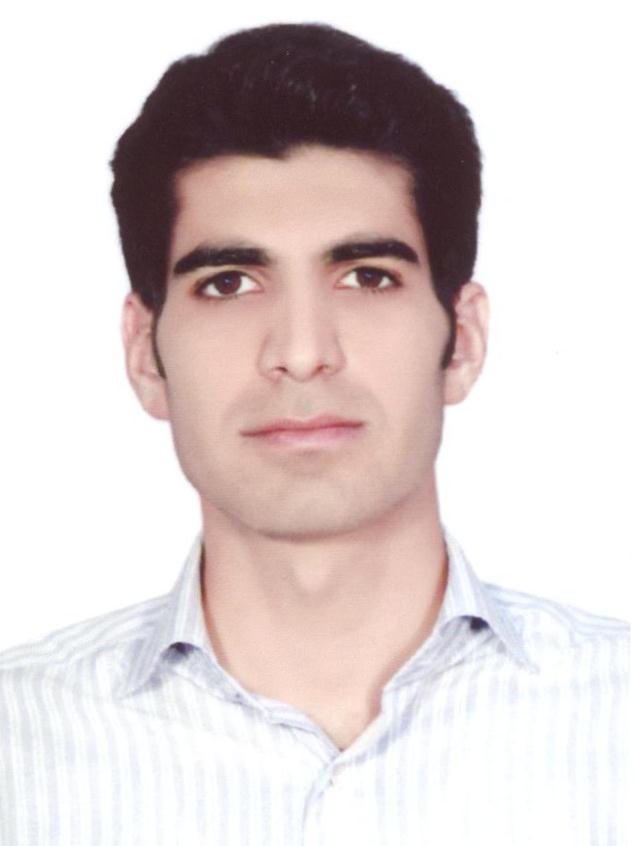
Dr. Amir Parnian
Shahid Chamran University
Iran
Biography
Dr. Amir Parnian is a young talented creative scientist. He is a self-motivated and hard-worker man with major experiences about environmental remediation and composting, but he has some experience with crop science and landscape preservation. Dr. Parnain now is a leader in some environmental remediation projects for NISOC.
Research Interest
Environmental remediation, Composting and waste management, Soil science.
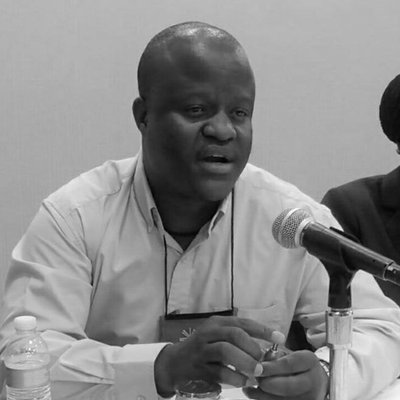
Dr. Matshwene Edwin Moshia
Agricultural Research Council
South Africa
Biography
Prof. Dr. Matshwene E. Moshia III is a Specialist Researcher in Soil Information System at the Institute for Soil, Climate and Water (ISCW) of the Agricultural Research Council (ARC) in South Africa. He is an expert Soil Scientist serving on Intergovernmental Technical Partnership on Soil (FAO-ITPS) from 2018-2021, Rome, Italy.
http://www.fao.org/global-soil-partnership/intergovernmental-technical-panel-soils/itps-experts-july-2018/es/
His primary fields of specializations are Environmental Soil Sciences, Soil Fertility Management, Pedometrics, and Precision Agriculture. He received a Ph.D. degree in Soil Sciences from Colorado State University (2009) in the USA through a Fulbright Scholarship. Edwin is the Co-author of the Via Afrika Grade 11 Agricultural Science Textbook with Prof. C.F. Reinhardt, and Dr. P. Obrem, and the textbook is currently being used in South African High Schools as part of the CAPS curriculum.
He served for five (5) years as a South African representative at the International Society of Precision Agriculture (ISPA). In his career, he has received awards from notable organizations such as Soil Science Society of America (Div. S04 and S08), Western Soil Science Society of America, International Society of Precision Agriculture, Foundation of Agronomic Research, and others. Edwin was also awarded African Young Professional in Science by Ruform (The Regional Universities Forum for Capacity Building in Agriculture). In 2016, He received another Fulbright Scholarship and went to the University of Florida in the USA as a Fulbright Visiting Research Scholar in the Department of Soil and Water Sciences.
Edwin is a member of Gamma Sigma Delta, The Honour Society of Agriculture since 2006. He is also an Editorial Board Member of 3 Scientific Journals. He is a rated researcher (2016 -2021) with National Research Foundation (NRF). This six-year recognition award by NRF is given to scholars with a sustained recent record of productivity in their field.
Research Interest
Environmental Soil Sciences, Soil Fertility Management, Pedometrics, and Precision Agriculture
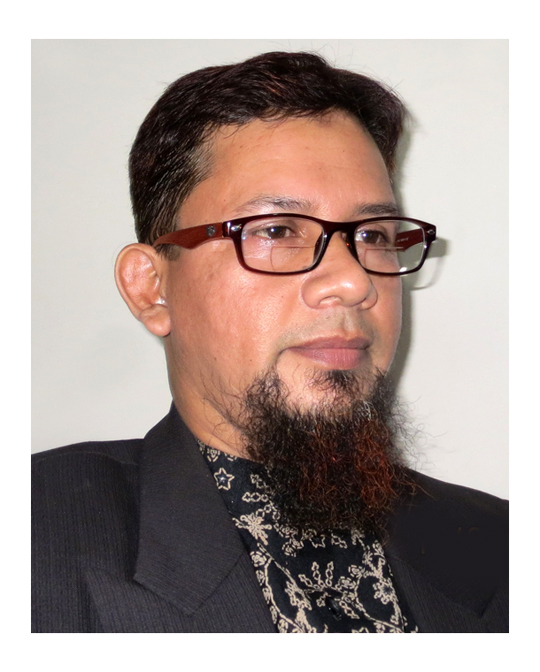
Dr. AKM Quamruzzaman
Bangladesh Agricultural Research Institute
Bangladesh
Biography
Dr. AKM Quamruzzaman has more than 23 years experience of working on agricultural research and developmental works with international & national agricultural organization like- USAID, FAO, JICA, The World Vegetable Centre (AVRDC), ABSP-II, Cornell University, Virginia Tech, IPM-CRSP, SAVERNET etc. He has strong commitments in agriculture research, agricultural development activities, technology dissemination, value chain and market development, public-private partnerships development, GAP, baseline survey, conduct training, food security, safe crop production, post-harvest managements, organic farming, and hybrid vegetable seed production. Dr. Quamruzzaman completed his PhD in Horticulture from BSMRAU, Bangladesh and has published more than 50 papers in reputed journals. He is currently serving as a Senior Scientist at Bangladesh Agriculture Research Institute, Gazipur-1701, Bangladesh.
Research Interest
Horticulture, Plant breeding